
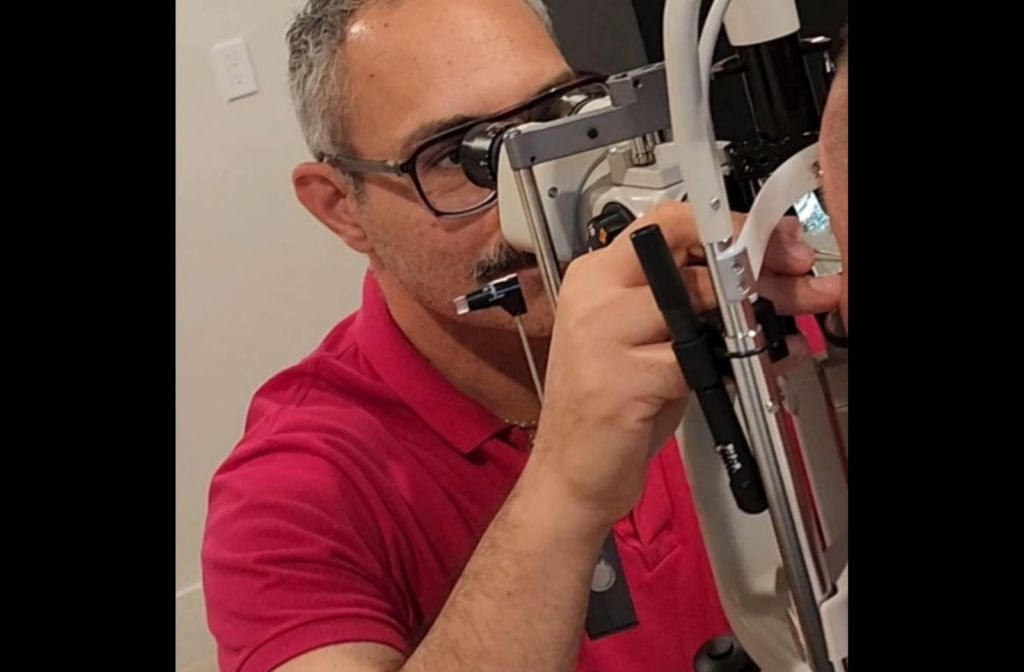
Your eyes work hard every day, especially if you’re constantly switching between screens, documents, and real-world tasks. Regular comprehensive eye exams can catch issues such as diabetes and eye diseases before you even notice symptoms, helping protect both your sight and your overall health.
Most adults need comprehensive eye exams annually, depending on your age and risk factors, though adults over 65 and those with existing eye conditions should get yearly exams.
Why Regular Eye Exams Matter for Your Health & Vision
Eye exams do much more than update your glasses prescription. They can detect vision changes, eye diseases, and even systemic health conditions in their early stages, when treatment is most effective. Comprehensive eye exams can detect over 270 health conditions, making them crucial for overall wellness.
Here’s what regular eye care can help identify:
- Vision problems before you notice them affecting your work
- Eye diseases like glaucoma & macular degeneration in their early stages
- Health conditions like diabetes & high blood pressure
- Digital eye strain from prolonged screen use
- Dry eye symptoms that impact your comfort
How Often You Should Schedule Eye Exams by Age
The American Optometric Association recommends different exam frequencies based on your age and risk factors. Here’s what you can expect at each life stage.
Children
Young children should get their first eye exam between 6–12 months of age, their second between 3–5 years old, and then annually starting right before first grade.
Children’s eyes change quickly as they grow, so it’s important that we monitor their vision for potential issues like myopia.
Young Adults (Ages 18-64)
For healthy adults with no vision problems, an annual eye exam is recommended. However, if you work in healthcare or spend significant time on digital devices, annual exams may be prudent.
Adults (Ages 65 & Up)
As we get older, annual comprehensive exams become important to monitor for cataracts, macular degeneration, and other age-related eye conditions. California insurance plans typically cover annual visits for this age group.
Frequent monitoring helps maintain independence and quality of life. Your optometrist can also recommend specialized lenses or treatments to enhance your vision.
When You Need More Frequent Eye Care
Certain factors mean you’ll benefit from annual eye exams regardless of your age.
If You Wear Glasses or Contacts
Annual visits help keep your prescription current and monitor your overall eye health. Even small prescription changes can reduce eye strain and improve your daily comfort. For those experiencing dry eye symptoms, contact lenses for dry eyes may provide better comfort.
Contact lens wearers need regular monitoring to prevent complications and ensure proper fit. Your optometrist can also recommend the newest lens technologies for your lifestyle.
Risk Factors That Require Annual Exams
We recommend yearly comprehensive exams if you have any of these risk factors:
- Family history of glaucoma or other eye diseases
- Diabetes or high blood pressure
- Previous eye injuries or surgeries
- Frequent digital device use causing eye strain
- Dry eye symptoms affecting your daily activities
- Work in healthcare or other high-stress environments
California Eye Care Guidelines & Recommendations
California’s optometry board provides clear guidelines for routine eye care frequency. Most insurance plans align with these professional standards to help make regular eye care accessible.
What Your Insurance Covers
Most California insurance plans cover annual comprehensive eye exams. Many also provide allowances for frames and lenses, making it easier to maintain clear, comfortable vision.
Vision insurance often covers testing for dry eye and other conditions. Check with your provider about your coverage for eyewear and lens technologies.
Signs You Shouldn’t Wait for Your Next Scheduled Exam
Some symptoms are serious enough that you shouldn’t wait for your next regular appointment. Contact your eye care provider promptly if you experience:
- Changes in your vision or difficulty seeing clearly
- Eye pain, redness, or persistent dryness
- Seeing flashes of light or new floaters
- Halos around lights or night vision problems
- Digital eye strain affecting your work performance
- Difficulty reading or focusing on close tasks
Regular eye exams are an investment in your long-term vision and overall health. At OPT Optometric Palm Springs, we provide comprehensive eye care with the personalized attention you deserve. Our boutique approach means you’ll receive unhurried, individualized service that addresses your unique vision needs and style preferences.
Schedule your comprehensive eye exam and let us help you keep your vision healthy.